










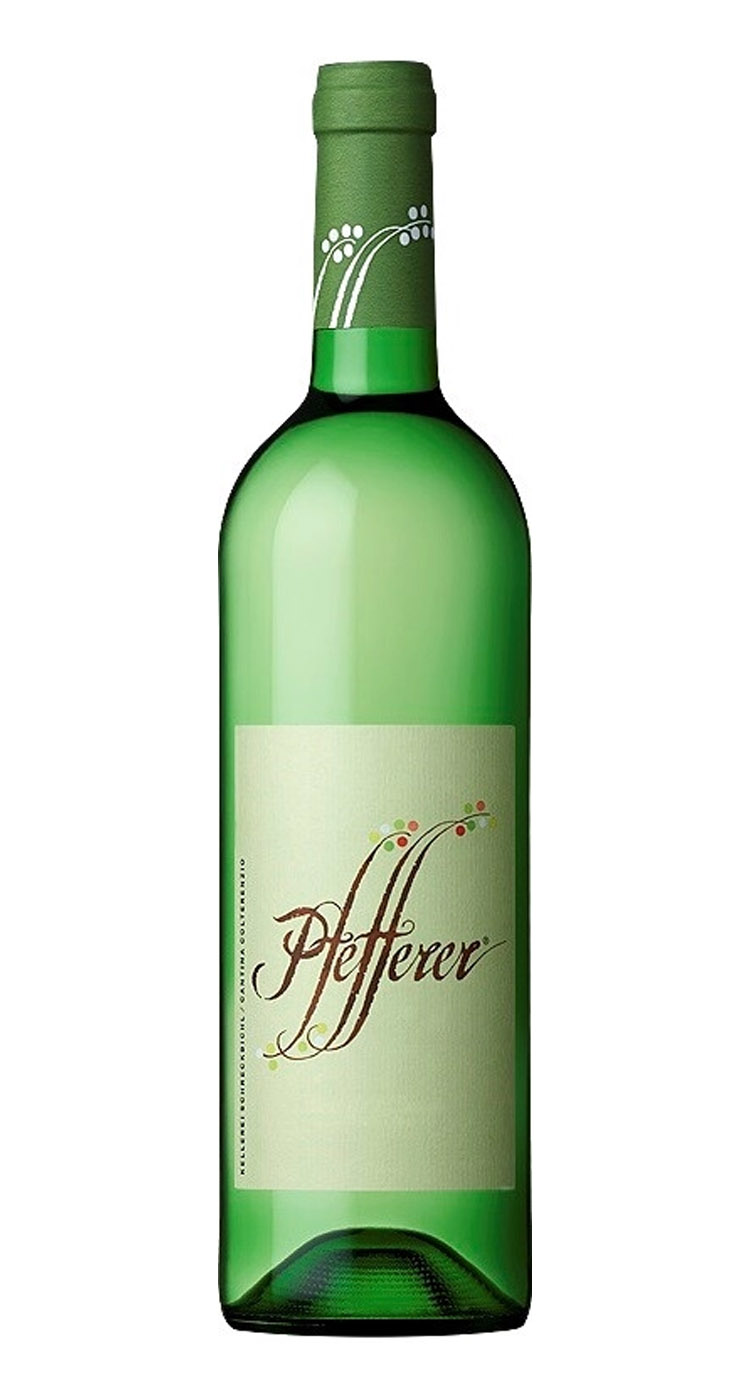

Pfefferer Vigneti delle Dolomiti IGT
17700 ₸
/ pcs.The wine has a golden-straw color.
The multifaceted, refined aroma of the wine is abundant with notes of lemon, apple, nutmeg, and minerals.
Luxurious, rich taste of the wine reveals fruity-mineral nuances, smoothly transitioning into a long, intriguing aftertaste.
The wine is excellent as an aperitif, as well as paired with appetizers, sushi, sashimi, fish dishes, and seafood.
Specifications
- Country: Italy
- Region: Trentino-Alto Adige
- Manufacturer: Colterenzio
- Grape variety: Golden Muscat: 100%
- Wine: White, semi-dry
- Alc: 13%
- Serving temperature: 10-12°C
- Type of drink: Wine
Interesting facts
"Pfefferer" is a white semi-dry wine that possesses a bright, refreshing taste and a pleasant aroma with hints of muscat and citrus. It is made from Golden Muscat grapes, which acquire a golden hue during the ripening process. This explains the unusual golden color of the "Pfefferer" wine. Muscat is one of the oldest grape varieties in the world, existing today in many forms. A particularly interesting type of Muscat was found in the sandy soils of South Tyrol — it was named "Pfefferer". Today it is known as "Golden Muscat": when its berries ripen, they take on a golden hue. The grapes for "Pfefferer" are grown at an altitude of 400-450 meters above sea level on gravelly-sandy soils. After harvesting, the berries are fermented in stainless steel tanks at a constant temperature of around 18 °C. The wine is then aged for a short time on fine lees in neutral containers.
About the Manufacturer
The name Colterenzio comes from the village of Colterenzio near Girlan. Here lies one of the oldest vineyards in Europe, planted by ancient Romans. The Colterenzio cooperative was founded in 1960 when 28 local farmers decided to join forces. Today, the cooperative includes over 290 winemakers, owning about 300 hectares of vineyards. It is known that the wines of the Trentino-Alto Adige region were favored by Archduke Sigismund, who lived in the Firmiano Castle in the 15th century, although there are even earlier records of winemaking practices dating back to Ancient Rome. According to the producers, such long-standing traditions impose certain obligations — in their work, one must be able to make bold decisions. The labels of Colterenzio wines feature the silhouette of a 15th-century castle built by Archduke Sigismund, who was a great connoisseur of wines and actively promoted the development of vineyards in this area. Today, this castle is almost in ruins.
Similar products
15200 ₸
19200 ₸