









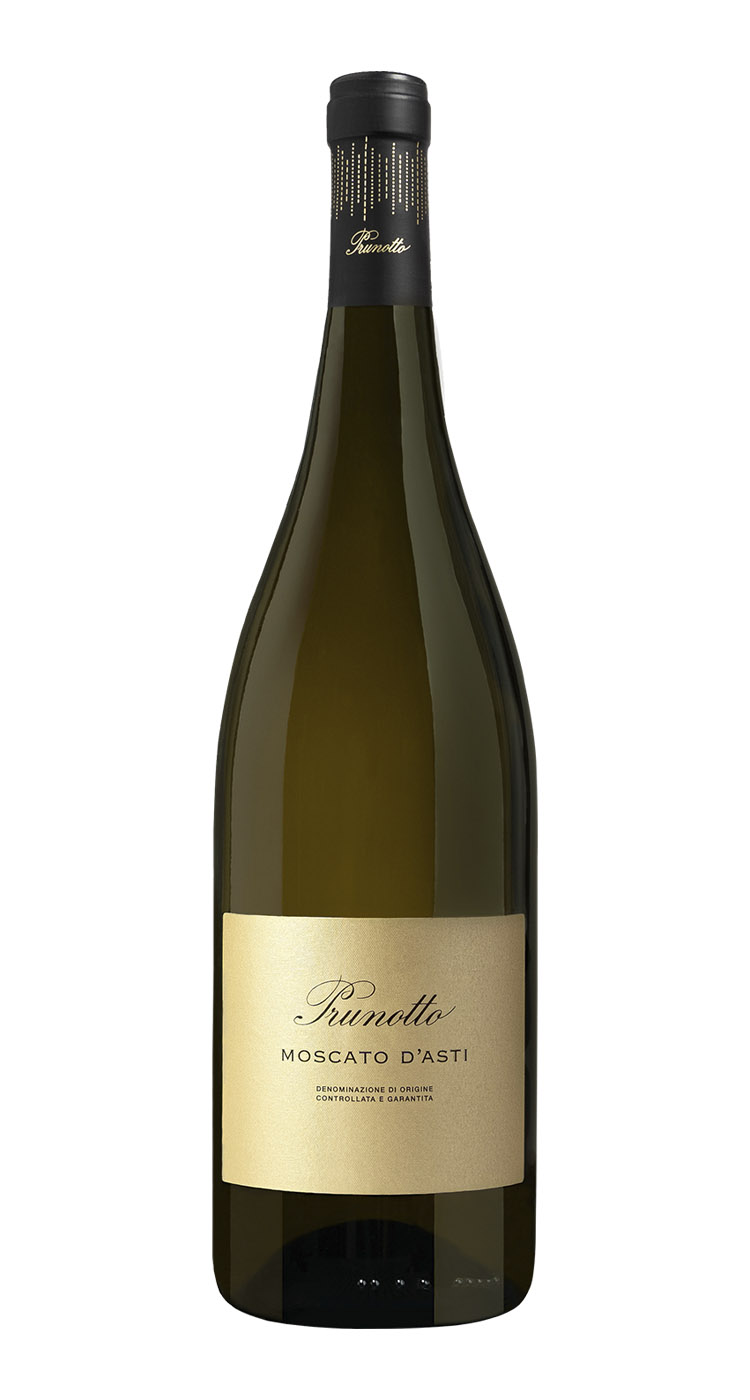

Prunotto Moscato d`Asti DOCG
Straw yellow with greenish highlights.
Lush, with notes of ripe grape peach, dried apple, and citrus fruits. They are complemented by hints of acacia honey and hawthorn, as well as subtle mineral and herbal nuances.
Elegant, melting, rich, creamy, with moderate acidity softening the sweetness, and a pleasant, harmonious finish.
Pairs beautifully with fresh fruits, pastries, and all kinds of desserts.
Specifications
- Country: Italy
- Region: Piedmont
- Manufacturer: Prunotto
- Grape variety: Muscat Canelli: 100%
- Wine: White, sweet
- Alc: 5%
- Serving temperature: 10–12 °С
- Type of drink: Wine
Interesting facts
Moscato Canelli grapes for the excellent white wine Moscato dAsti are grown in the Canelli and Treviso areas on calcareous-clayey soils. Only the best ripe grapes with excellent sugar concentration were selected for the wine, which is fundamental for producing a quality beverage. The grapes, hand-picked into baskets, were lightly crushed and pressed, then left for a short time in the press for the most complete extraction of aromas from the grape skins. The juice was then separated from the lees and sent to steel tanks for fermentation, which is stopped by sharp cooling when 5% alcohol is reached. The wine is then clarified, filtered, and bottled. The wine has an aging potential of 3-5 years.
About the Manufacturer
Alfredo Prunotto was a well-known winemaker who worked at many prestigious vineyards in Italy. He founded his first plant, "Wines of Langhe," in 1904, which operated until 1922. In 1923, Prunotto decided to establish the Prunotto company, which, by signing contracts for the purchase of the best wine materials in Piedmont, specialized in the production and bottling of the highest quality wines. Prunotto quickly became well-known and began exporting wine worldwide: to Europe, South America, and then to the United States. After 1990, when the Prunotto winery came into the possession of the famous Antinori family, it was decided to produce wines, whose volume at that time had reached 800,000 bottles per year, from their own grapes. For this purpose, additional vineyards were acquired, equipment was updated, and cellars were reconstructed. In 2000, the old 100-hectoliter oak barrels were completely replaced with 50- and 75-hectoliter barrels, which are better suited for revealing the potential of the wines. The bottling line was updated with machines using advanced technology that protects the wine from possible oxidation, which is detrimental at this stage. An improved machine was also installed to ensure the compression of the bottle cork and provide maximum sealing reliability.
Similar products
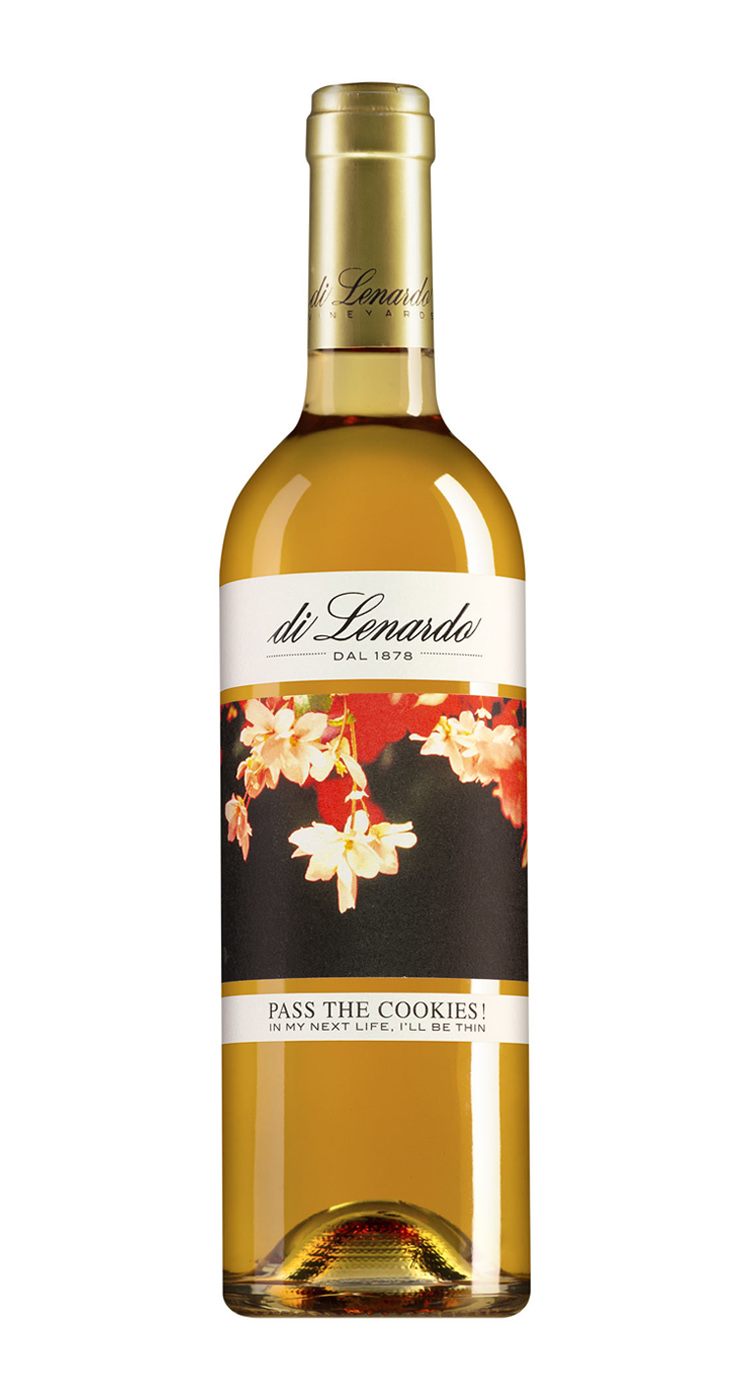
14500 ₸
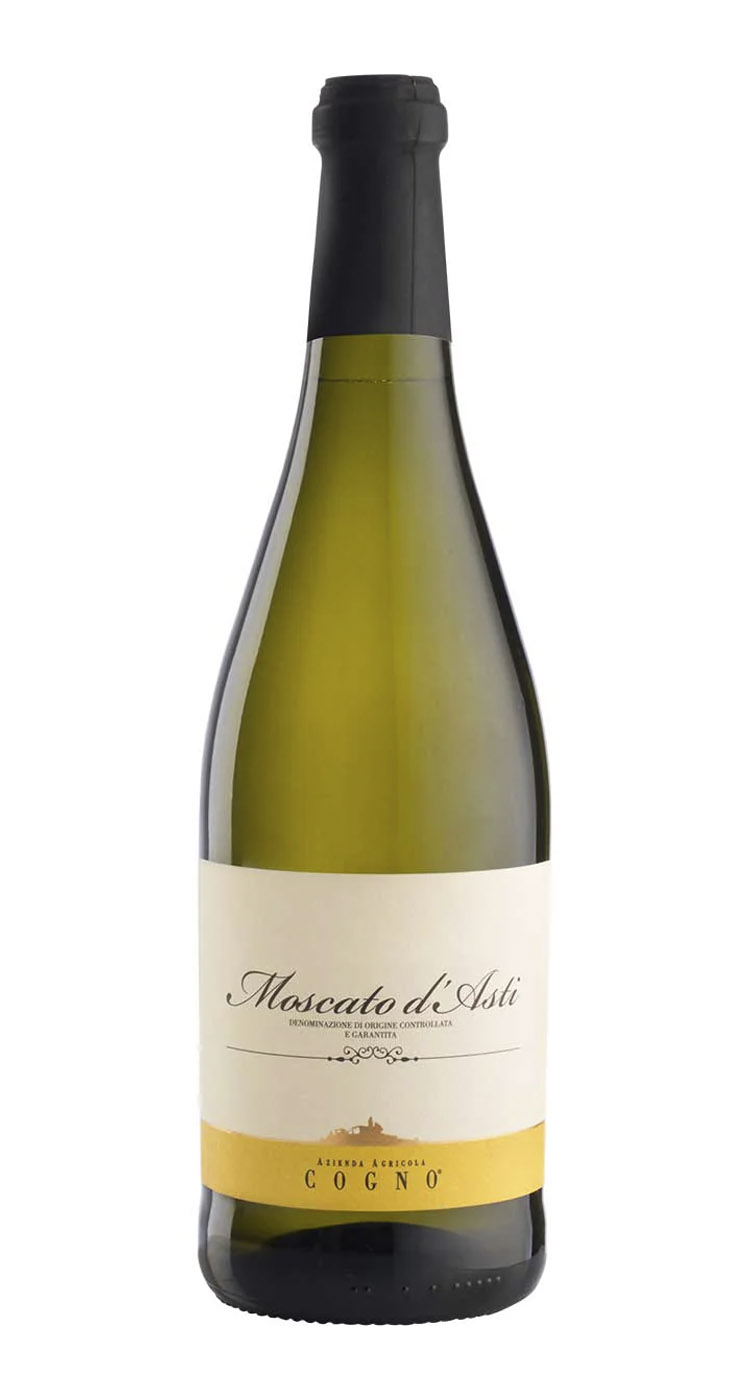
16400 ₸