







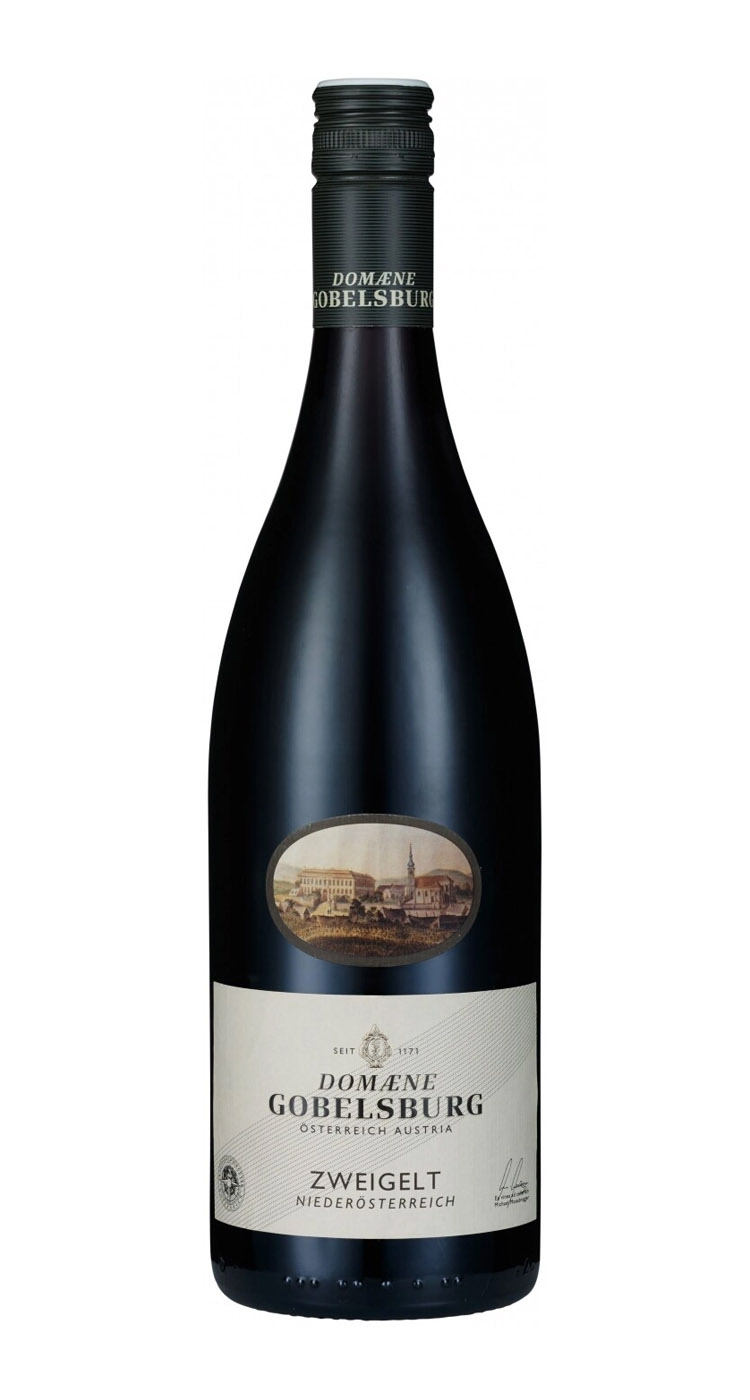

Domaene Gobelsburg Zweigelt
11400 ₸
/ pcs.The wine has a bright red-ruby color with a gentle violet sheen.
The sensual aroma of the wine combines motifs of ripe plums with hints of cinnamon.
The wine has a fresh, lively, generous taste with undertones of dark fruits, a silky texture, delicate tannins, and a pleasant, slightly spicy finish with a hint of plum.
The wine pairs well with dishes of Eastern cuisine, fruits, and not overly sweet desserts, soft cheeses.
Specifications
- Country: Austria
- Region: Lower Austria
- Manufacturer: Schloss Gobelsburg
- Grape variety: Zweigelt: 100%
- Wine: Red, dry
- Alc: 12.5%
- Serving temperature: 16–18°C
- Type of drink: Wine
Interesting facts
Domaene Gobelsburg, Zweigelt is a dry red wine from the Danube region, which is considered a "cool climate" region for red wines. The soil of the area where the grapes are grown consists of tertiary gravel and loess. At the vineyards of Domaene Gobelsburg, vines of Zweigelt of various ages (8–35 years) are cultivated. The harvest takes place in October. Fermentation is conducted in open tanks. After fermentation, the wine matures in Austrian oak barrels from Manhartsberg. Bottling occurs in September. The "Zweigelt" wine displays a brilliant ruby color with light violet hues. The bouquet of the wine reveals fruity undertones with hints of spice. This full-bodied wine with delicate notes is a popular companion for candlelit dinners.
About the Manufacturer
The vineyards that today belong to Schloss Gobelsburg winery were established in 1171 by Cistercian monks from the Zwettl monastery. After a fire at the Kammern winery in 1786, they were transferred to Schloss Gobelsburg. Since 1996, the winery has been managed by Michael and Eva Moosbrugger. The estate owns 60 hectares of some of Austria's best vineyards, located on the terraces of Heiligenstein and Gaisberg, as well as between two hills in the valley of the town of Grub. Each vineyard has unique soil properties and microclimates. The most important varieties for the estate are Grüner Veltliner (50%) and Riesling (25%), which have proven to be the most suitable for the structure of the surrounding soil. Low yields and strict selection using sorting tables ensure a high level of quality of the grapes and the wines produced from them. In 2006, Michael Moosbrugger was named the best winemaker in Austria by the wine publication "Falstaff," and he has also repeatedly won awards for the best "Gruner Veltliner" and other wines.
Similar products
9700 ₸
9400 ₸