








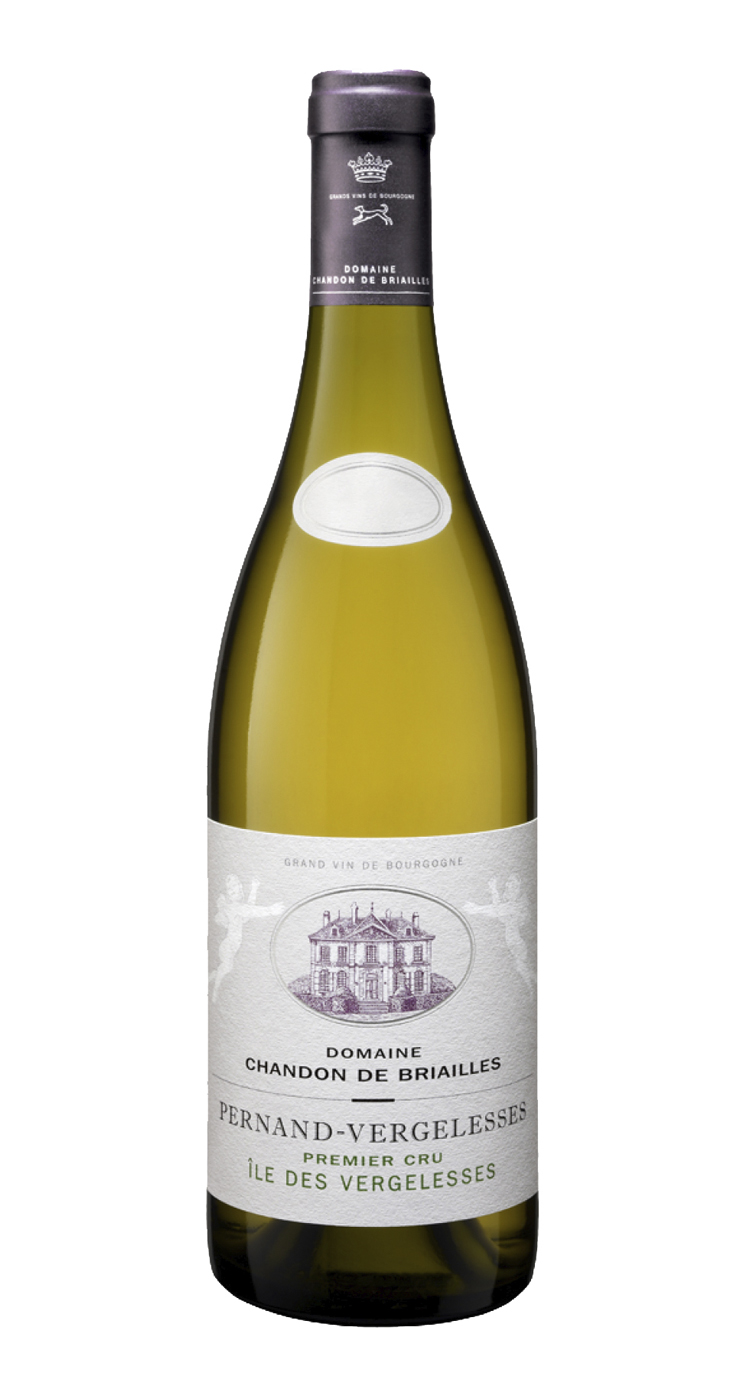

Domaine Chandon de Briailles Pernand-Vergelesses Premier Cru Ile de Vergelesses AOC Blanc 2019
60000 ₸
/ pcs.The wine has a light golden color with an attractive shine.
Notes of crisp yellow fruits, fresh pastries, and white flowers form the elegant aroma of the wine.
Moderately rich, layered, and pleasantly concentrated taste with bright acidity and steely minerality, hiding notes of tropical and citrus fruits. The finish is persistent, dry, with hints of toast and chalk.
The wine will be a wonderful accompaniment to fish and white meat dishes, shellfish, and cheeses.
Specifications
- Country: France
- Region: Burgundy, Côte de Beaune
- Manufacturer: Domaine Chandon de Briailles
- Grape variety: Chardonnay: 100%
- Wine: White, dry
- Alc: 13%
- Serving temperature: 10-12 °C
- Organic: Yes
- Biodynamic: Yes
- Type of drink: Wine
Interesting facts
A very aromatic, soft fruity-mineral wine Pernand-Vergelesses Premier Cru "Ile de Vergelesses" is produced from Chardonnay grapes grown on the "Ile de Vergelesses" Premier Cru vineyard in the Pernand-Vergelesses appellation. Warm sunny days alternating with cooler nights contribute to a slow ripening, allowing the grapes to retain acidity while developing flavor intensity. Here, limestone-rich soils, rich in iron, prevail, although the upper slope consists of clay marl and more gravelly soil below. This soil has good drainage properties, protecting the vines from excessive water, which helps reduce fungal diseases and rot, limiting the growth of foliage that consumes a lot of energy. Instead, the preserved strength and energy of the vines go into producing high-quality grapes. The "Ile de Vergelesses" vineyard is the most likely candidate in the commune for Grand Cru status, and since Pernand-Vergelesses is one of the lesser-known names in Côte de Beaune, the "Ile des Vergelesses" Premier Cru wines can offer good value for money. The harvest is carefully sorted when the berries reach optimal ripeness. The grapes undergo gentle pressing using a pneumatic press. The resulting must is settled for the next 2 days, then it is transferred to 200-liter barrels, where fermentation occurs at a temperature not exceeding 22 °C, allowing the wine's fresh aroma and character to be preserved. After fermentation, the wine is placed in the cellar for final aging. The mild winter of 2019 prompted an early start to the growing cycle in late March. Fortunately, April and May were quite cool, which delayed bud break and slowed the overall rapid development of the vines. After a vigorous flowering, thanks to favorable weather, the vine grew very quickly. July and August were hot and dry, but several storms at the end of July helped avoid water stress. Early September was very hot, so the harvest began earlier than planned. The 2019 vintage produced wines that are rich, pure, and concentrated, yet with remarkable freshness and balance.
About the Manufacturer
Domaine Chandon de Briailles has been owned by the Counts Aymard-Claude de Nicolay since 1834. It was then that Countess Chandon de Briailles, related to the famous Champagne House Moët et Chandon, passed this estate on to her grandson. The Domaine is located in the Côte d'Or department, 4 kilometers north of Beaune among the famous Burgundy vineyards. The estate covers 13.7 hectares of land planted with vines and located in Pernand-Vergelesses, Savigny-lès-Beaune, and Aloxe-Corton. The modern history of Domaine Chandon de Briailles began in 1982 when Nadine de Nicolay took over the estate. Thanks to her tireless energy, experience, and hard work, she managed to revive and elevate the production of high-quality noble Burgundy wine. Today, the family business is continued by her children — Clodie and François de Nicolay. Having various professions, both are passionately in love with their homeland, the vine, and wine. After studying viticulture and winemaking in Beaune and Dijon, Clodie underwent further training in Oregon and New Zealand. Starting work at Domaine Chandon de Briailles in 1991, she created her own laboratory for analytical support of winemaking processes. Her brother François, after graduating from business school, worked abroad and in Paris for several years, but returned to the estate in 2001 and together with his sister took over the management of the estate. Since 2005, the vineyards of Domaine Chandon de Briailles have completely abandoned the use of chemicals and switched to biodynamic production. Clodie and François de Nicolay strive to minimize human influence on the winemaking process, vinifying and aging their wines in accordance with Burgundy traditions and using innovations. Their main goal is to create terroir wines with good aging potential that fully reflect the geological and climatic characteristics of the region through their structure, aroma, and taste.
Similar products

68000 ₸
59400 ₸

58000 ₸
55500 ₸
.jpg)
59000 ₸
.jpg)
52200 ₸
53600 ₸
61200 ₸