








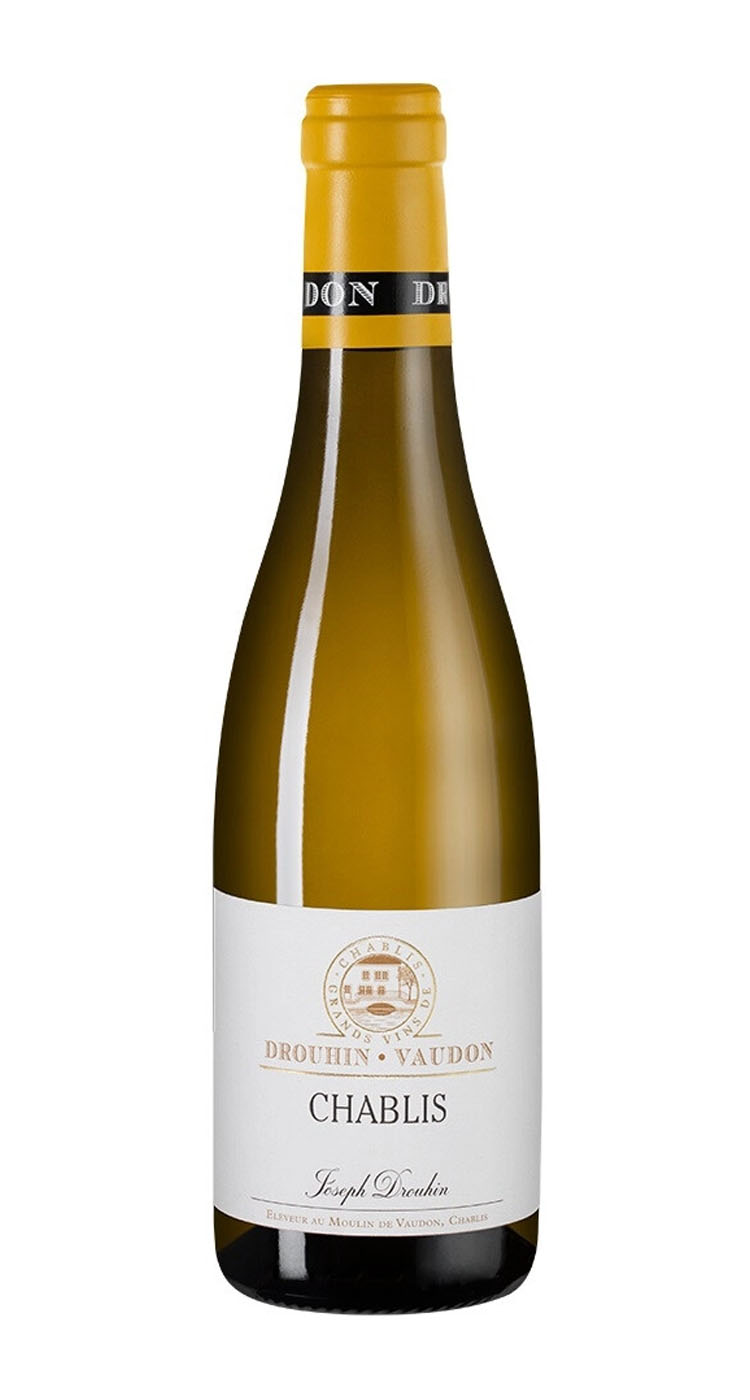

Joseph Drouhin Chablis
14000 ₸
/ pcs.The wine has a straw-golden color.
The wine intrigues with a harmonious, elegant aroma woven from notes of peach, apple, lemon, and toast.
The taste of the wine is soft, refreshing, with a smooth texture, fruity-citrus tones, and lively acidity in a balanced finish.
The wine is excellent as an aperitif and pairs well with seafood and grilled fish dishes.
Specifications
- Country: France
- Region: Burgundy, Chablis
- Manufacturer: Joseph Drouhin
- Grape variety: Chardonnay: 100%
- Wine: White, dry
- Alc: 12.5%
- Serving temperature: 10–12 °C
- Type of drink: Wine
Interesting facts
Chablis is a fresh, mineral wine produced from the famous Chardonnay grape harvested from the Chablis vineyards. After harvesting and sorting, the grapes are gently pressed and fermented. The wine is aged for 7-8 months in barrels. It can be enjoyed both young and over a period of 5 years. This magnificent wine has a mineral character with a pure taste. Chablis is the northernmost, hilly region of Burgundy, where vines have been planted for hundreds of years. In the 1960s, when the Chablis vineyards were nearly abandoned, Robert Drouhin recognized the potential of this region, which had been devastated by the phylloxera invasion in the previous century. He was one of the first in Burgundy to begin revitalizing the region and restoring the vineyards. The soil of the area, composed of Kimmeridgian limestone, contains millions of tiny marine fossils, suggesting that it may have once been a seabed hundreds of millions of years ago. This marine-origin terroir gives Chablis wines their unique taste. Drouhin planted Chardonnay grapes here at a density of 6250 vines per hectare. His yield is intentionally reduced to extract all possible nuances from the terroir. Starting with the 2008 vintage, all Chablis wines from the Drouhin family are released under the name Drouhin Vaudon.
About the Manufacturer
The Joseph Drouhin winery was founded in 1880 in Beaune. Today, it is a family business with long-standing traditions and a century-long history that has undergone many stages of development and establishment. Maurice Drouhin became one of the people who fundamentally changed the principles of Burgundy winemaking. Together with other major merchants, he participated in the creation of the National Committee of Controlled Origin Names (the predecessor of INAO). He was also one of the first to introduce methods of remontage, pigeage, and collage in his cellars, which have become commonplace for today's winemakers but were considered anachronistic at the time. The main contribution to the company's development was made by Maurice's nephew, Robert Drouhin, who began expanding the holdings in 1957 by acquiring vineyards in regions of France with real potential. Robert continued the innovative traditionalism of his uncle. He likes to say, "We have come a long way from a medieval company that bottled wines as they came to a modern one that retains the best practices of the past." Significant investments have always been made in acquiring vineyards, but the pride of the winery remains the Clos de Mouches vineyard near Beaune. The yield is intentionally lowered by an average of 20% from the legal limit to maintain high product quality. One of the key points the company has adhered to since the late 1960s is exclusively biodynamic and organic principles of vineyard management without the use of various pesticides and chemicals. Today, Joseph Drouhin's holdings encompass over 75 hectares of vineyards and are considered the largest in the region. The wines of this producer are rightly recognized as unique, intense, and delicate, with their flavors unfolding slowly, conveying all the vivid colors and aromas of berries. Joseph Drouhin wines can captivate any critic and journalist.
Similar products

14300 ₸
15800 ₸
13600 ₸
16300 ₸
11800 ₸
12000 ₸
14700 ₸
12500 ₸
11300 ₸
16800 ₸