








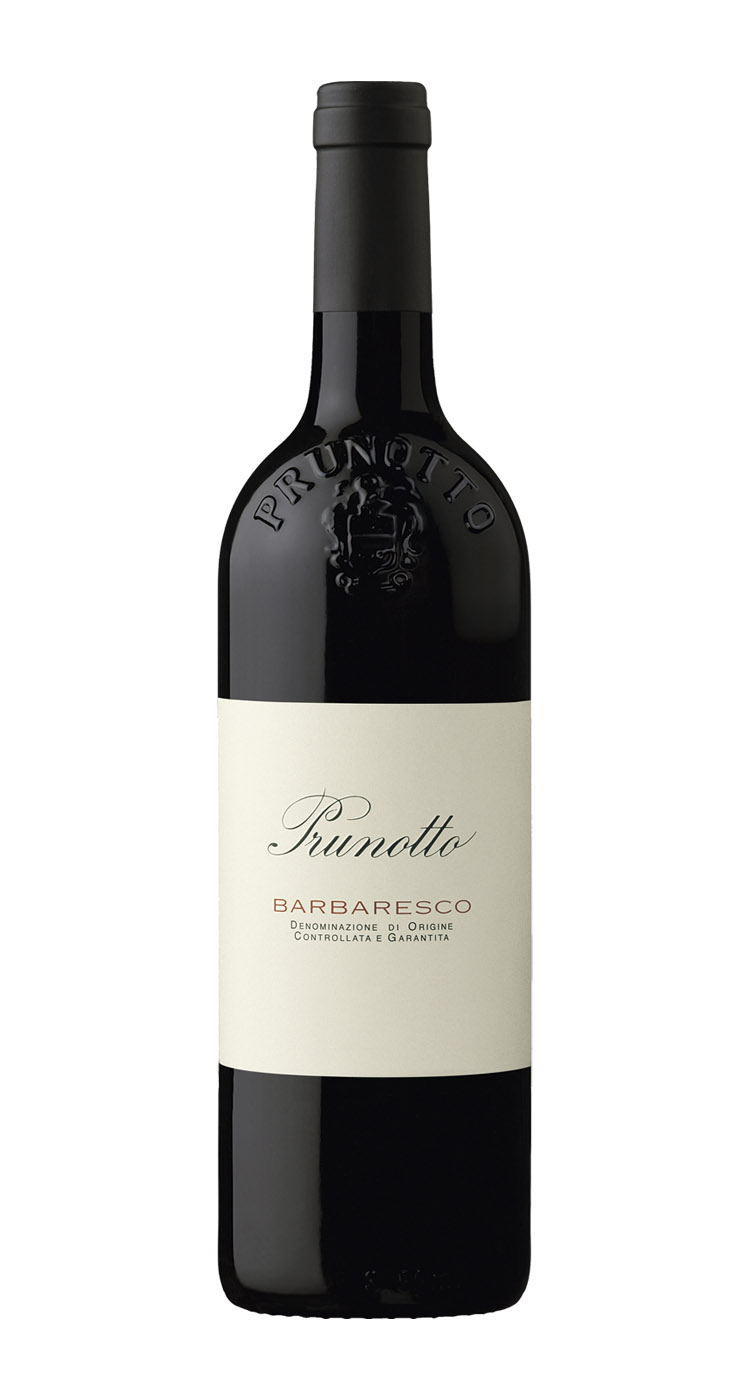

Prunotto Barbaresco DOCG
Intense garnet red.
Complex, with notes of red fruits, spicy notes, and hints of licorice.
A velvety, full-bodied flavor with an excellently balanced structure, round tannins, and a long, seductive finish.
This wine will be an excellent accompaniment to red meat and game dishes, meat risotto, and aged cheeses.
Specifications
Interesting facts
Prunotto, Barbaresco is made from Nebbiolo grapes grown in the vineyards of Barbaresco and Treiso. The lands of these areas are associated with the Tortonian period. They are rich in elements such as manganese, zinc, and boron and consist of fine particles of silty loam. The 2018 harvest was hand-picked from October 3 to 8. The carefully selected grapes were delivered to the cellar, cleaned, and crushed. Maceration on the skins lasted about 8 days at a temperature not exceeding 30 °C. Malolactic fermentation was completed before the end of winter. To improve the balance and softness of the taste, Barbaresco was aged in oak barrels of various capacities for about a year. The aging potential of Barbaresco is 10-15 years. Decanting is recommended one hour before consumption.
About the Manufacturer
Alfredo Prunotto was a well-known winemaker who worked at many prestigious vineyards in Italy. He founded his first plant, "Wines of Langhe," in 1904, which operated until 1922. In 1923, Prunotto decided to establish the Prunotto company, which, by signing contracts for the purchase of the best wine materials in Piedmont, specialized in the production and bottling of the highest quality wines. Prunotto quickly became well-known and began exporting wine worldwide: to Europe, South America, and then to the United States. After 1990, when the Prunotto winery came into the possession of the famous Antinori family, it was decided to produce wines, whose volume at that time had reached 800,000 bottles per year, from their own grapes. For this purpose, additional vineyards were acquired, equipment was updated, and cellars were reconstructed. In 2000, the old 100-hectoliter oak barrels were completely replaced with 50- and 75-hectoliter barrels, which are better suited for revealing the potential of the wines. The bottling line was updated with machines using advanced technology that protects the wine from possible oxidation, which is detrimental at this stage. An improved machine was also installed to ensure the compression of the bottle cork and provide maximum sealing reliability.
Similar products
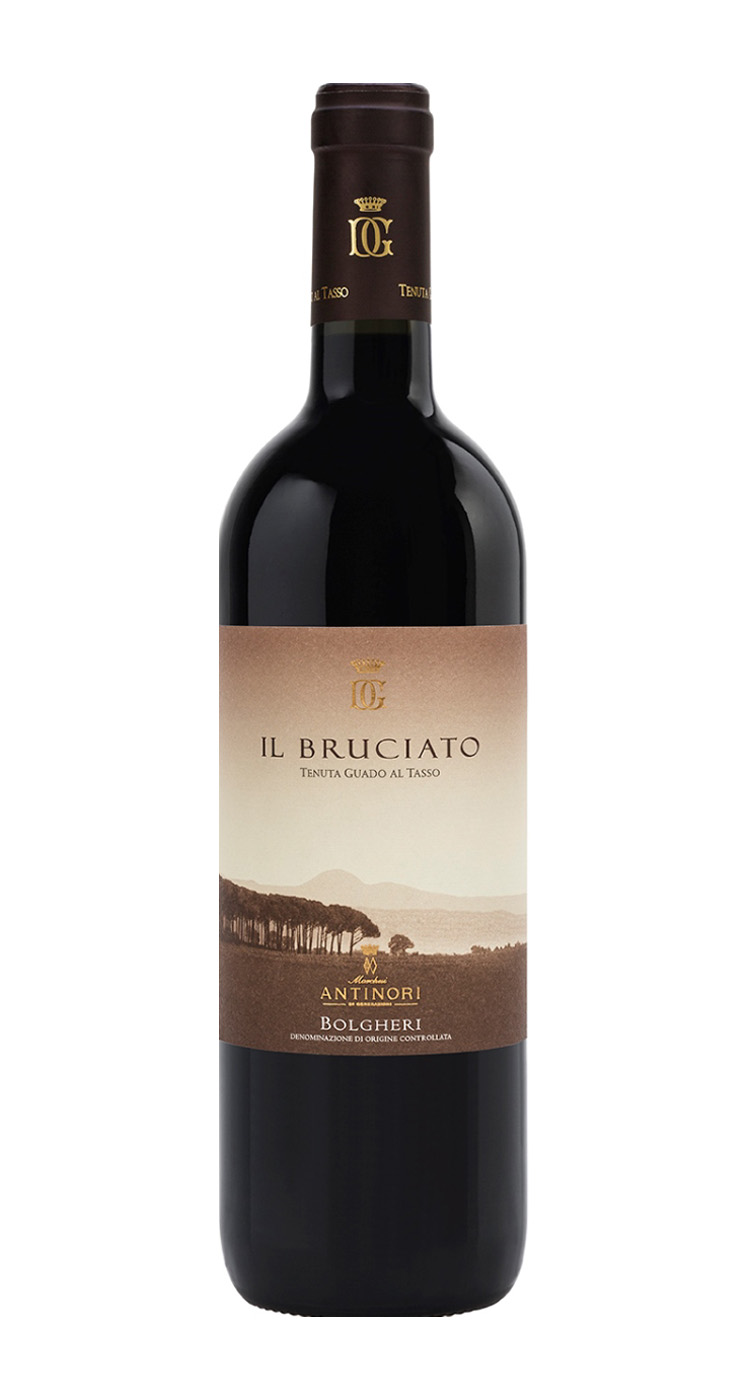
28500 ₸
24900 ₸
29400 ₸
27000 ₸
26300 ₸
29000 ₸
30000 ₸
34500 ₸
25600 ₸
28100 ₸