










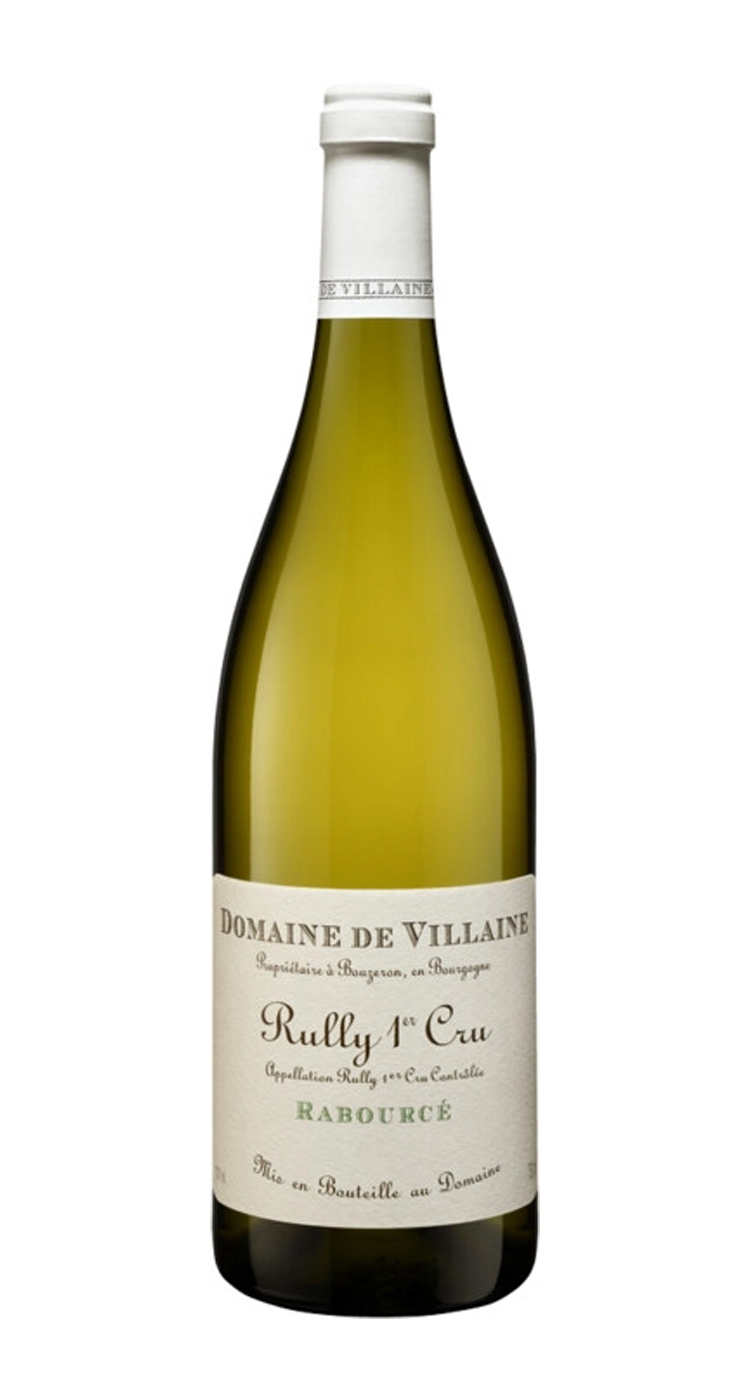
Domaine A. et P. de Villaine Rully 1er Cru Les Margotes AOC 2019
64000 ₸
/ pcs.The wine has a delicate straw-yellow color.
The refined aroma of the wine envelops with notes of tropical and citrus fruits. The fruit sweetness is perfectly balanced with nuances of fresh herbs and oyster shells.
The lively, energetic, clean, and fresh taste of the wine demonstrates excellent balance and moderately pronounced acidity. The aftertaste is pleasant, dry, fruity with a refined acidity.
The wine is enjoyed with white meat and fish, avoiding rich sauces and bold spices, as well as with soft goat cheese.
Specifications
- Country: France
- Region: Burgundy, Côte Chalonnaise
- Manufacturer: Domaine A. et P. de Villaine/Domaine de Villaine
- Grape variety: Chardonnay: 100%
- Wine: White, dry
- Alc: 13%
- Serving temperature: 10 - 12 °C
- Organic: Yes
- Type of drink: Wine
Interesting facts
In 2015, Domaine de Villaine released a wine with an overt fruity character, yet not lacking a classic mineral framing — Rully 1er Cru "Les Margotes". The "Les Margotes" vineyard is planted with Chardonnay vines at different times, so the blend consists of grapes from various plots, which are now fully organic. Hand-harvested clusters are pressed, and the free-run juice is transferred to oak barrels. In these barrels, it undergoes fermentation and is aged on the lees for 12 to 18 months. Once bottled, the wine is stored in cellars for a year before being released for sale.
About the Manufacturer
The wine house Domaine A. et P. de Villaine was established in 1971 by the couple — Aubert and Pamela de Villaine. The letters A and P in the name stand for Aubert and Pamela. The estate is located in the small town of Bouzeron, nestled on the gentle hills of Côte Chalonnaise in Burgundy. Bouzeron has a rich long-standing tradition of producing high-quality wines. This terroir was first highly regarded in the Middle Ages. In the 12th century, monks from the Benedictine Abbey of Cluny planted vineyards in the vicinity of Bouzeron, the location of which has remained unchanged for centuries. The grapes here grow on the slopes of the hills, allowing the vines to receive maximum sunlight. The nutrient-poor limestone soils serve as a natural limiter of yield, while the warm microclimate of the valley promotes the rapid ripening of the berries. Aubert de Villaine is the heir of the famous wine house Domaine de la Romanée-Conti (DRC), whose wines are considered among the best not only in France but also in the world. Aubert spent his youth in the USA, where he met his wife Pamela. Initially, he studied literature and law, later working for a company that imported Burgundy wines. In 1971, Aubert returned to France to take up the role of co-owner and manager of Domaine de la Romanée-Conti. Not wanting to live and work in the same place, Aubert and Pamela began searching for a quiet corner. Thus, they found themselves in the town of Bouzeron. Impressed by the quality of the Aligoté grapes grown there, Aubert decided to settle in Bouzeron. Initially, his holdings were very small — about 8 hectares. Aubert began making wine from his own grapes. The remoteness of Bouzeron allowed Aubert to engage in winemaking for his own pleasure, without worrying about maintaining an international reputation. The first vintage of excellent wine was ready in 1973. Aubert de Villaine chose a path different from most Burgundy winemakers. He focused on growing the Aligoté grape, specifically the "golden aligoté" (Aligoté doré). Burgundy winemakers generally regard Aligoté with disdain, considering it suitable only for cheap table wine. Once quite popular, Aligoté was subsequently almost completely displaced by Chardonnay and Pinot Noir. The reason for this was the phylloxera epidemic in the mid-19th century, to which Aligoté proved extremely susceptible. Impressed by de Villaine's results, neighboring estates became interested in this grape variety, and today Bouzeron is the only Burgundy appellation specializing exclusively in Aligoté Doré. Since the early 1980s, Domaine de Villaine has begun to implement organic winemaking technologies. The idea originated with Pamela — while tending to her garden, she always used only natural methods of plant care. As a result, in 1986, the de Villaine estate received official "organic" status. The next chapter in the history of Domaine de Villaine is linked to the New World. In 2000, Aubert de Villaine, together with Larry Hyde, Pamela's cousin and manager of Hyde Vineyard in California, opened a family business HdV (Hyde de Villaine). Thus, at that time, Aubert was actively involved in the work of three wine houses. To relieve some of his burden, he decided to pass the management of Domaine de Villaine to his nephew — Pierre de Benoist, who comes from a family of hereditary winemakers owning the Domaine du Nozay winery in Sancerre. Although Pierre spent his entire childhood among vineyards and wineries, he had no desire to engage in the family business. Instead, Pierre received a legal education and lived and worked in Paris for a long time. However, according to him, he was the son of a winemaker, and this occupation was in his blood. Therefore, when Aubert asked him to head Domaine de Villaine in 2000, Pierre agreed. He significantly expanded the estate's territory by purchasing plots in neighboring villages Rully and Mercurey. In addition to the main variety — Aligoté — the estate's vineyards began to cultivate Chardonnay and Pinot Noir. Today, Pierre manages the entrusted wine house, remaining true to the traditions of high quality established by Aubert de Villaine.
Similar products
65600 ₸
62300 ₸
65400 ₸
52100 ₸

71500 ₸
55000 ₸
65000 ₸
.jpg)
62500 ₸
64000 ₸

68000 ₸